

Certified Energy Auditor (CEA)
Gain the skills to perform professional energy audits for buildings and industrial plants, improving energy efficiency and compliance with global standards.
Enhance expertise in water efficiency and management with this internationally recognised program, covering audits, cost reduction strategies, and sustainable water use.
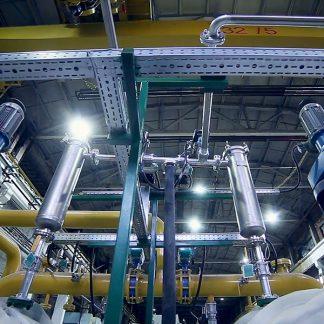
Water is an essential natural resource for almost any social and socio-economic activity. In a world with growing water-related stress, scarcity and risk, there is an increasing need for improved use of water resources by society. This can significantly reduce environmental impact, lower costs, and ensure supply security. More and more businesses, industries, institutions, utilities and governmental agencies are looking for strategies to reduce water usage — to cut costs, secure business continuity, and deliver on broader sustainability plans.
The Certified Water Efficiency Professional (CWEP) program is an international qualification specifically designed for improving water efficiency and management. The two-day training covers technical and economic principles for effective water efficiency management. It also serves as a building block for additional professional development such as the Energy Efficiency Practitioner (EEP), Certified Energy Manager (CEM), Certified Sustainable Development Professional (CDSP), or Business Energy Professional (BEP) designations.
Day 1
Day 2 — Water-Efficient Technologies in key areas/sectors including:
Attendees will learn technical and organisational strategies including how to conduct a water efficiency site assessment, understand water billing and costs, use correct terminology, navigate regulatory and international mandates and policies, apply efficiency technologies, and address water measurement and verification needs.
An optional 4-hour open-book examination (multiple choice and true/false) is available on the following day or at a later date, subject to pre-application and registration. Passing the exam leads to international certification with the US-based Association of Energy Engineers (AEE). This is in addition to the course cost and duration.
Each CWEP candidate must meet one of the following criteria:
Gain the skills to perform professional energy audits for buildings and industrial plants, improving energy efficiency and compliance with global standards.

Develop advanced knowledge in renewable and alternative energy technologies, project assessment, and sustainability strategies for low-carbon energy solutions.

Master carbon management strategies, emissions reporting, and reduction techniques to drive sustainable business and environmental impact reduction.